
SPECIAL STUDIES AND SUCCESS CASES
We go beyond conventional engineering with high-fidelity simulations and mathematical rigor, ensuring the integrity of the country's largest transmission assets.
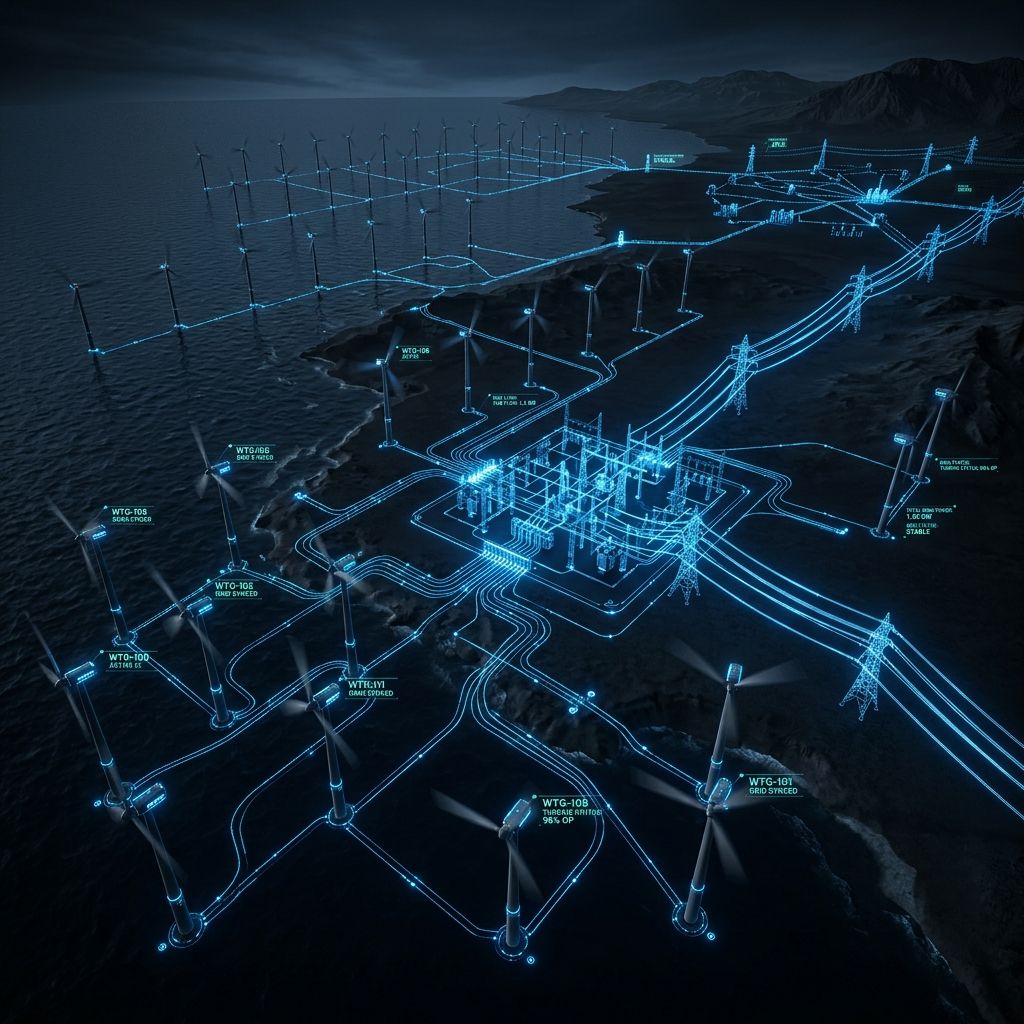
PSCAD/EMTDC™
SUB-SYNCHRONOUS RESONANCE MITIGATION IN LARGE-SCALE WIND FARMS
Technical Summary
This study addresses the stability challenges arising from the integration of large-scale wind farms into series-compensated systems. The interaction between the wind turbine control system (DFIG) and the sub-synchronous frequencies of the grid can result in unstable oscillations, known as Sub-Synchronous Control Interaction (SSCI). Our team used electromagnetic transient (EMT) models to identify critical resonance modes and design active damping filters integrated into the inverters, eliminating the risk of turbine shaft damage and unplanned shutdowns.
Frequency Screening
Preliminary identification of resonance points through impedance scanning across the entire sub-synchronous spectrum.
EMT Modeling
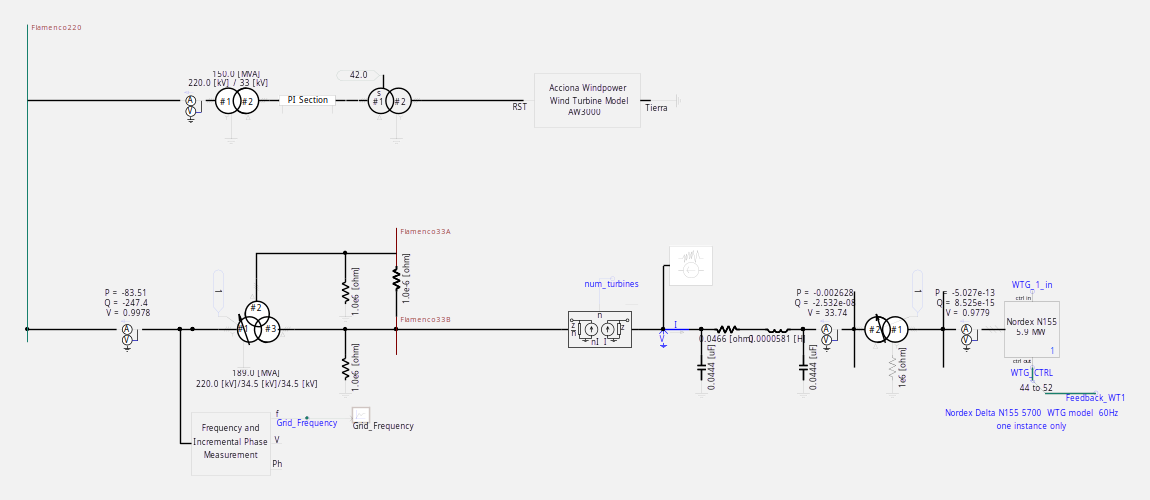
Development of detailed models in PSCAD™ including manufacturer proprietary controls (Black-box).
Robustness Validation
Severe contingency tests to validate the robustness of the proposed mitigation solutions.
Success Cases
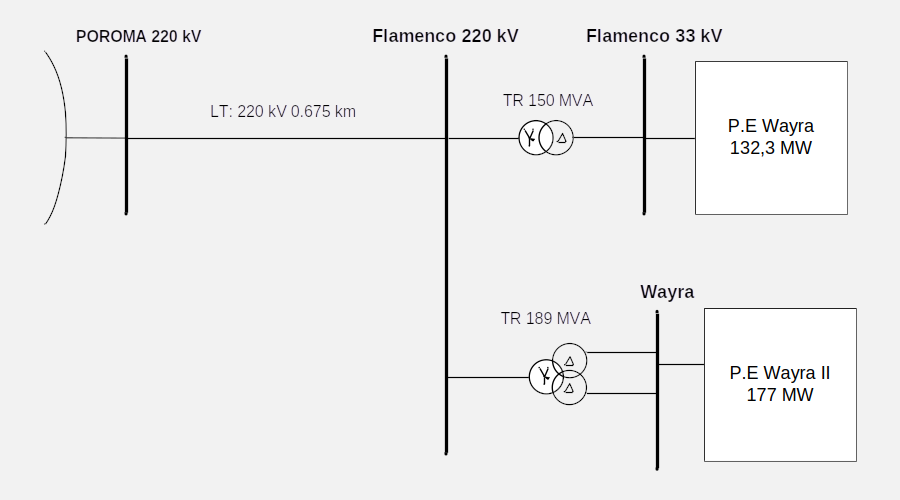
Subsynchronous Resonance in a Wind Farm with a Flamenco 220 kV DFIG Generator
Frequency Analysis
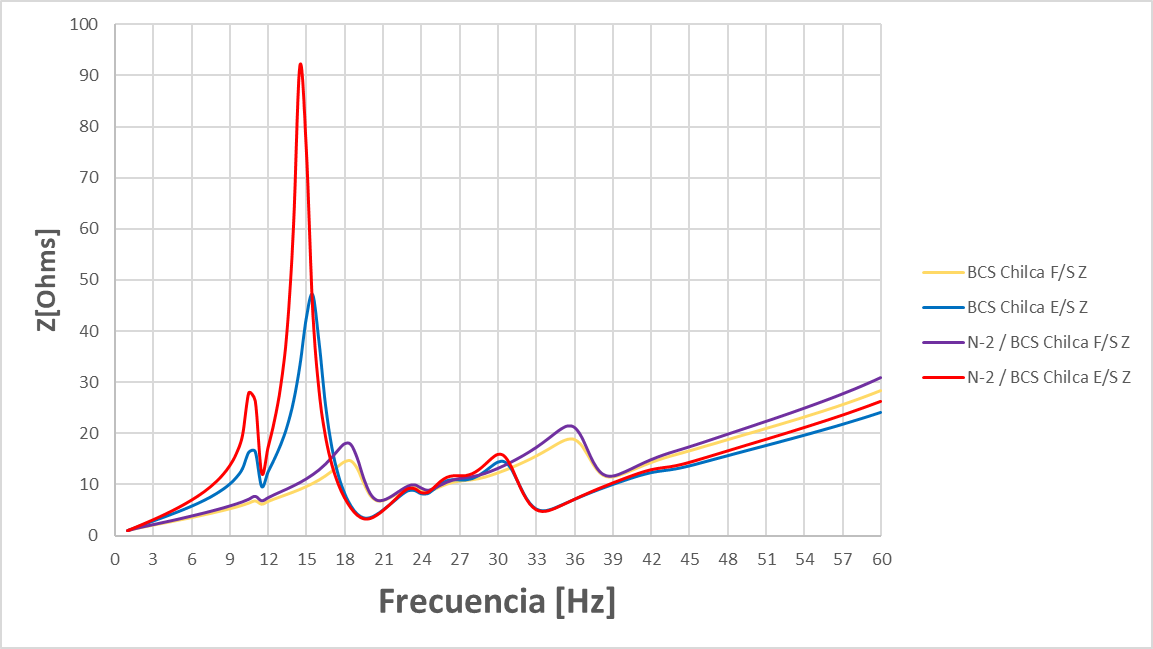
Detailed impedance study and frequency scan to identify coupling points between DFIG control and series-compensated grid.
Mode Identification
We used Impedance Scan techniques to map system resistance and reactance across the entire sub-synchronous spectrum (5Hz to 55Hz). The study revealed a critical negative impedance point near 12Hz, indicating potential for Sub-Synchronous Control Interaction (SSCI).
Impedance Scan Results
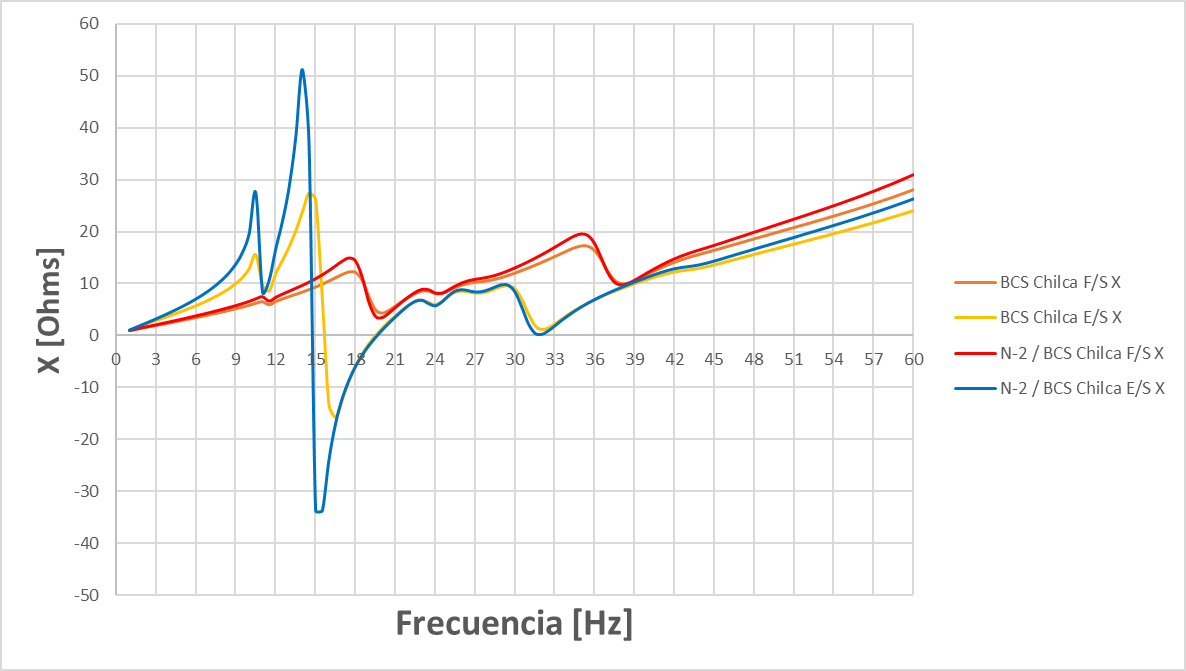
Impedance Scan Results
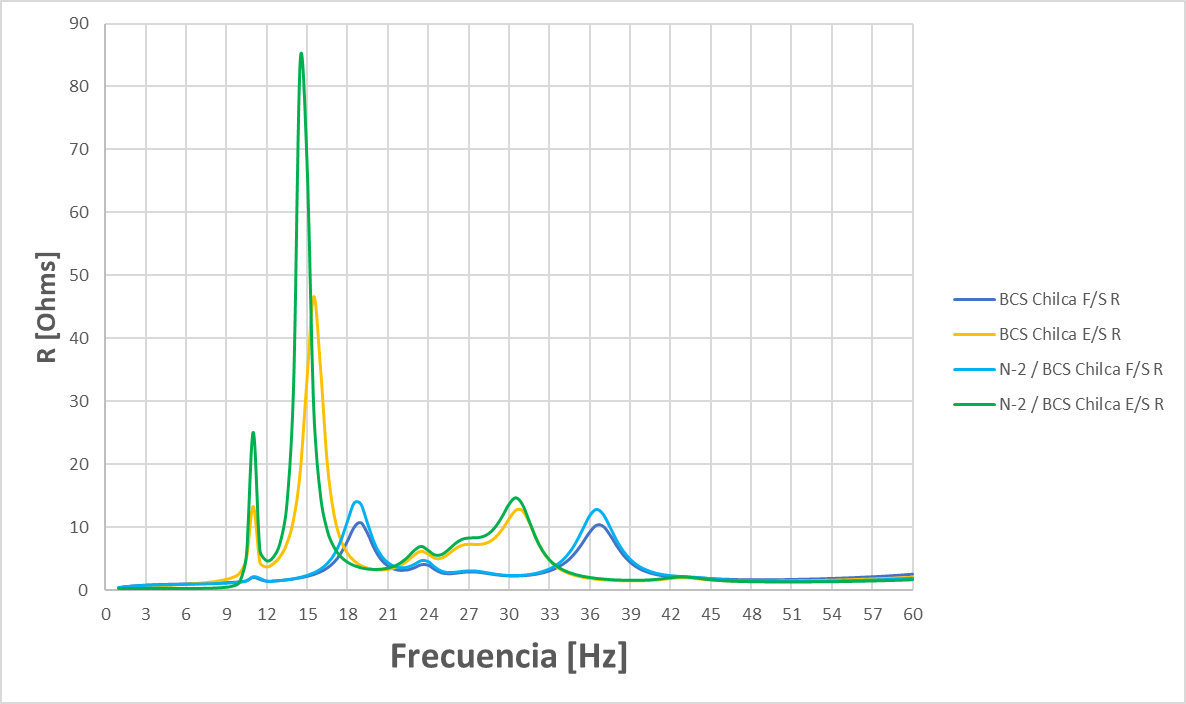
Impedance Scan Results
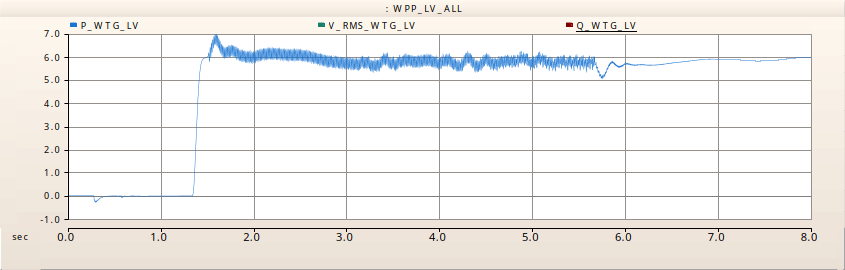
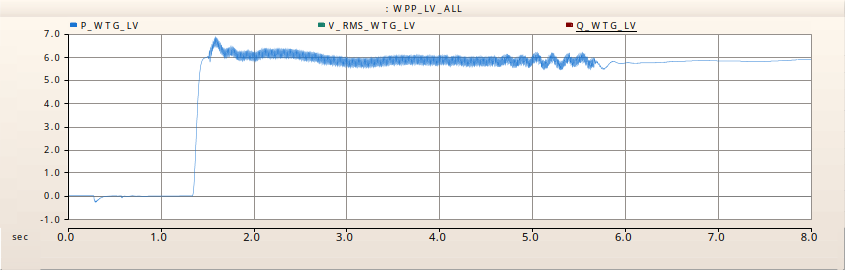
Time Analysis
Impedance Scan Results
Impedance Scan Results
Impedance Scan Results
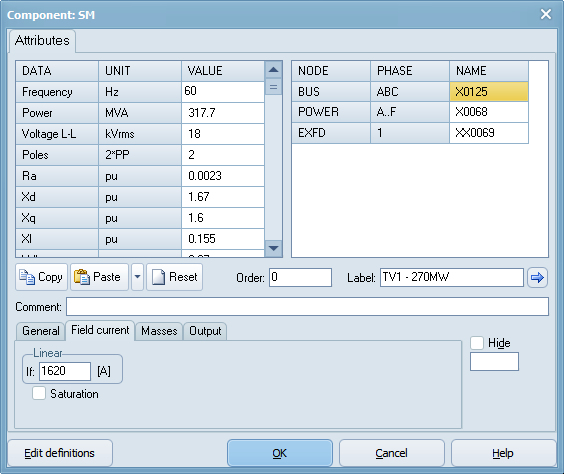
ATP/ATPDraw Model of the Synchronous Machine
Sub-Synchronous Resonance in Azulão Thermal Power Plant
Subsynchronous Resonance (SSR) is a serious electromechanical phenomenon capable of causing severe damage, such as turbine-generator shaft failure. Occurrence in Thermal Power Plants: These are more susceptible due to long, thin shafts, which facilitate the activation of subsynchronous torsional modes.
Torsional Interaction
The Azulão project required a rigorous mechanical fatigue study on the turbine-generator shaft. We analyzed natural torsional modes and the possibility of torque amplification due to proximity to electrical sub-synchronous frequencies.
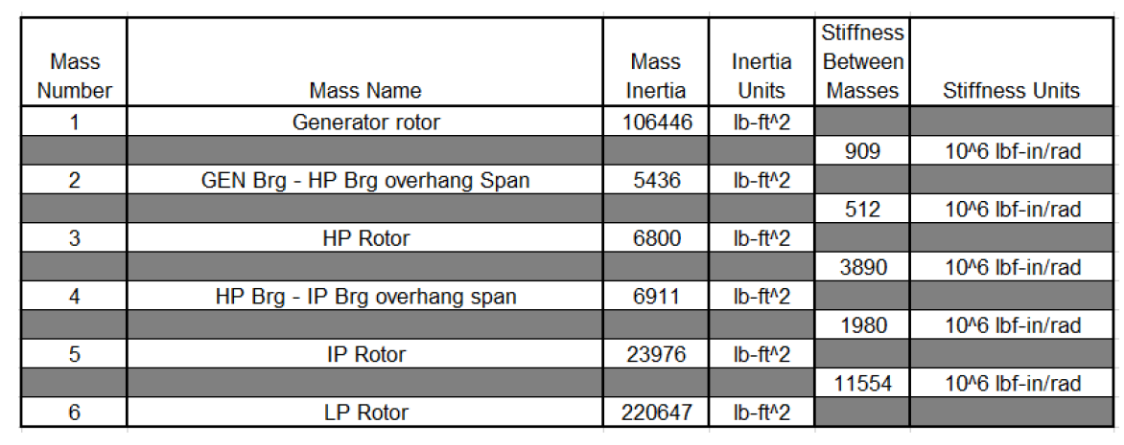
Turbine: Multi-mass System
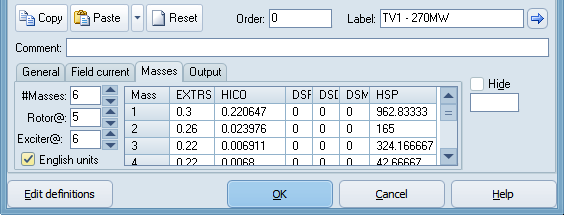
ATP/ATPDraw Turbine Model
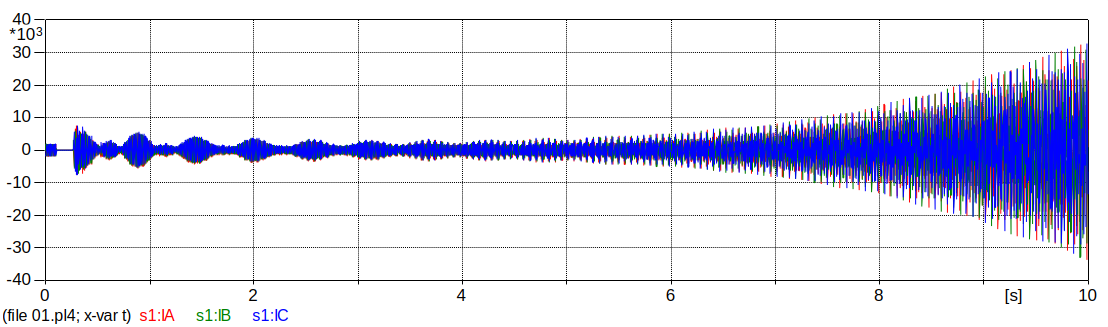
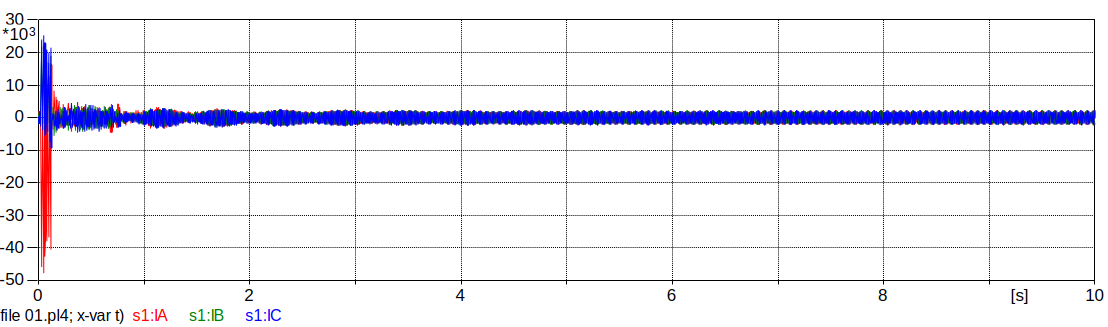
Stator Current – Steam Turbine with SSR
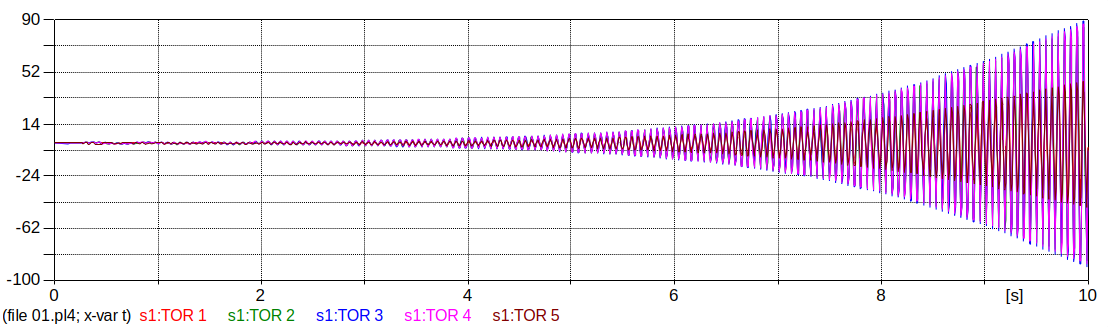
Torque in Multi-mass System (16.31Hz) – Steam Turbine, with SSR
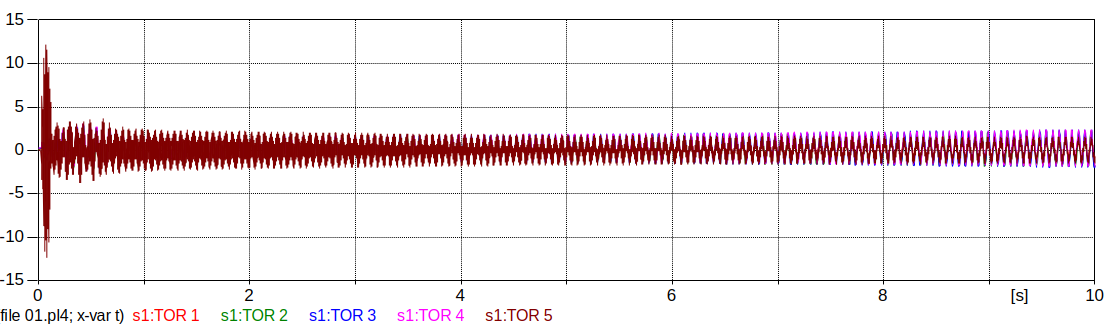
Mitigation: Common solutions include the use of FACTS devices (such as TCSC - Thyristor Controlled Series Capacitor) or NGH devices to damp oscillations. In this case, a Filter was designed.
Stator Current – Steam Turbine with Filter
Stator Current – Steam Turbine with SSR
NEED A SPECIALIZED ANALYSIS IN ANY OF THE TOPICS BELOW?
If your project needs consultative help in:
- VFTO
- Sub-synchronous resonance
- Ferroresonance
- restrike
- Interruption of small inductive currents
- Delayed Zeros
- CT Saturation
- Electromagnetic Compatibility
- Insulation coordination of Substations
- High Voltage Transmission Lines with Insulated Cables
Our technical team is ready to evaluate the complexity of your project and provide high-performance engineering solutions.
Talk to Specialist